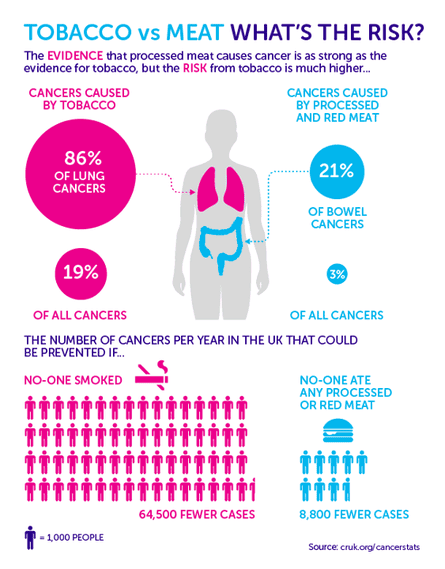

So I was just reading this whole Reddit thread about that Wired article, you know, the one comparing processed meat like bacon to smoking in terms of cancer risk. And it’s fascinating how people are really picking it apart. The main point from the article, which a lot of folks seemed to appreciate, is that while both are classified as carcinogens, the actual risk increase is wildly different. Like, smoking boosts your relative risk of lung cancer by something like 2500%, but eating two slices of bacon daily only raises your colorectal cancer risk by 18%. In practical terms, that means your lifetime risk might go from about 5% to 6%—which, as one person put it, “your bacon mileage may vary.”
A big theme in the discussion was how misleading the headlines have been. Several people pointed out that when the WHO put processed meats in the same category as smoking, it didn’t mean they were equally dangerous—it just means the evidence that they *can* cause cancer is strong. But, you know, the media ran with titles like “Processed meats rank alongside smoking as cancer causes,” which, while technically true, really skewed the perception. One commenter mentioned that even oranges, coffee, and burnt toast crusts are on that same list of carcinogens, which puts things into perspective.
There was also a lot of debate about the fairness of the comparison. Some folks felt it was odd that the article quantified the bacon—two slices a day—but didn’t specify how much smoking leads to that 2500% increase. Like, is it two cigarettes a day? A pack? Someone joked that a fair comparison would be a pack of bacon (about 20 strips) versus a pack of cigarettes, but then others shot that down, saying hardly anyone eats 20 strips of bacon daily, while plenty of smokers go through a pack or more a day. It got a bit heated, with one person arguing that if you look at the total weight of processed meats some people consume—bacon, sausages, hot dogs—it might add up to a significant amount, especially considering obesity is itself a risk factor.
What I found really interesting were the practical takeaways people were sharing. Many emphasized that quitting smoking is still the single best thing you can do for your health, far outweighing any bacon-related risks. There was even a former smoker who chimed in about how much better life is after quitting—food tastes better, cardio is easier, no more smoky smell. On the bacon side, some were digging into the details, like how the risk might come from nitrates used in curing, and how cooking methods matter. One person suggested opting for uncured bacon or cooking it “low and slow” to avoid creating harmful compounds. And there was a side discussion about whether processed fish carries the same risk—apparently not, because the chemical reactions differ.
Humor definitely popped up too, with jokes about bacon-wrapped cigarettes or smoking bacon to “cancel out” the risks. But beneath the laughs, there was a sense of frustration with sensationalist health reporting. People felt that focusing too much on bacon distracts from bigger lifestyle factors, like exercise, weight management, and overall diet quality. One commenter pointed out that 30-60 minutes of daily exercise can reduce colon cancer risk by 30-40%, which puts that 18% bacon risk into even sharper context.
Overall, the thread felt like a collective sigh of relief mixed with healthy skepticism. Most agreed that while it’s good to be informed, freaking out over bacon might be missing the forest for the trees. The real consensus seemed to be: enjoy your bacon in moderation, don’t smoke, stay active, and maybe take headlines with a grain of salt.