
Okay, so I was just reading through this really long Reddit thread, and it’s basically this huge, sprawling conversation about AMD’s future CPUs, specifically Zen 6, and the whole AM5 socket situation. It all kind of started with someone pointing out that DDR6 memory, which is supposed to be a big feature for the next socket, AM6, isn’t ready yet, and that sort of opened the floodgates.
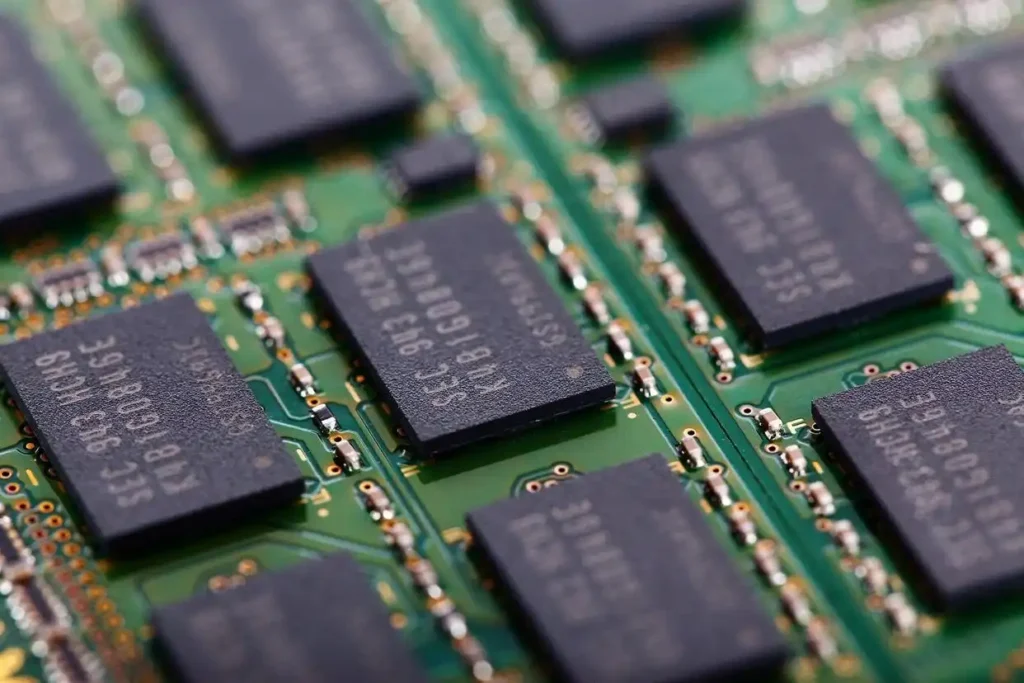
The discussion quickly split into a couple of main veins. One big theme was this frustration with current memory setups on AM5. A lot of people feel that having four RAM slots on most motherboards is almost pointless now, especially for gaming. The sentiment is that if you try to run four sticks of high-speed DDR5, especially with AMD’s current platform, you’re asking for instability and a big performance hit. The conventional wisdom of “just add two more sticks later” is seen as a trap for the average user who might not realize they’re sacrificing speed. There’s a strong feeling that for most people, two slots are enough, and that four slots are just there for marketing or for the tiny minority who genuinely need massive amounts of RAM capacity and are willing to trade speed for it. This led to some side-talk about whether the future is in a different form factor altogether, like CAMM2 modules, which might make this whole debate obsolete.
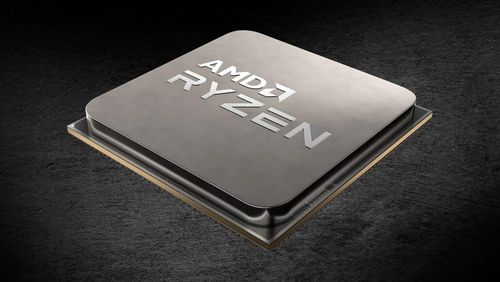
But the real meat of the discussion was about Zen 6 itself. There’s a ton of excitement and speculation. People are digging into rumors, and the overall attitude is pretty optimistic. The big takeaways are that Zen 6 is expected to be a major jump. We’re talking about a move to a 2nm manufacturing process, which is skipping a node, so that’s huge on its own. Then there’s the rumor of moving from 8 cores to 12 cores per chiplet, a 50% increase. And everyone seems to be hoping for—and expecting—a completely redesigned input/output die, which should fix a lot of the current limitations with memory speed and, importantly, might finally solve the high idle power consumption that’s been a bugbear with the chiplet design.
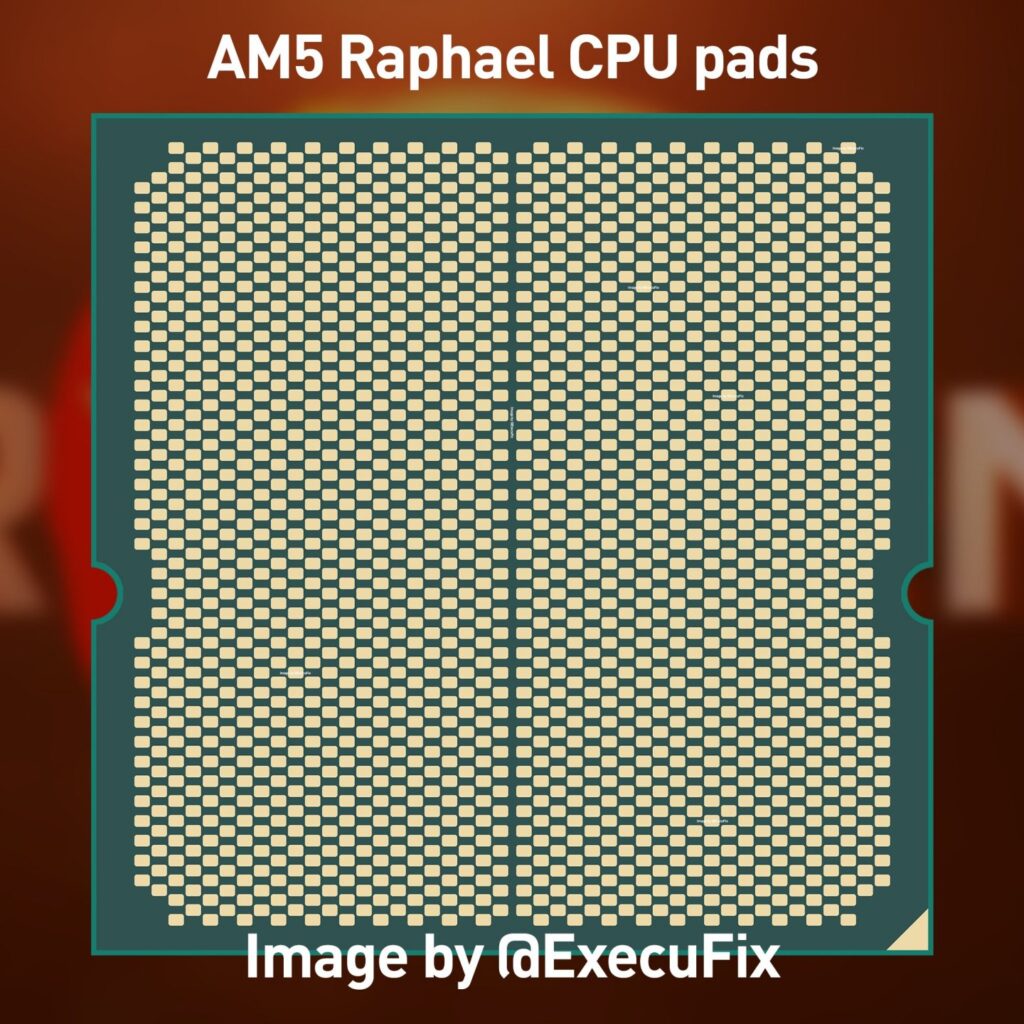
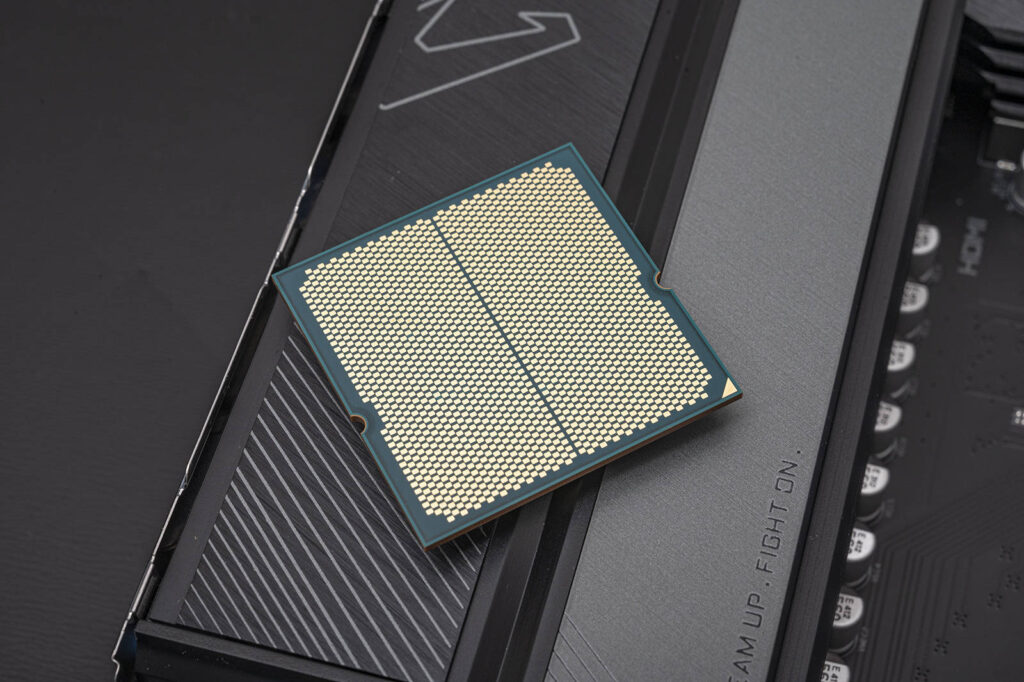
This ties directly into the other huge question: how long will the AM5 socket last? The community is really reading the tea leaves here. Since DDR6 isn’t ready, and Zen 6 is getting a new I/O die, the prevailing theory is that AMD will reuse that I/O die for Zen 7 as well. That would mean Zen 7 could also stay on AM5, extending the platform’s life. This idea got a lot of positive reactions. People love the longevity of AMD sockets—folks on older AM4 systems with chips like the 5800X3D are chiming in saying they’re perfectly happy and plan to skip AM5 entirely, waiting for AM6. They see the potential for a long upgrade path on AM5, similar to AM4, and that’s a major selling point for them. There’s a sense of patience; many are willing to wait until 2027 or later for the next big platform jump if it means more stability and a longer useful life for their investment.
So, to wrap it up, the mood is a mix of technical nitpicking about current hardware quirks, especially around RAM, and then this forward-looking, almost hopeful speculation about the next generation. People are critical of the present-day annoyances but are fundamentally bullish on AMD’s roadmap, betting on bigger cores, better efficiency, and a platform with staying power. It’s less about if Zen 6 will be good, and more about *how* good, and how long they’ll be able to use the motherboard they buy for it.